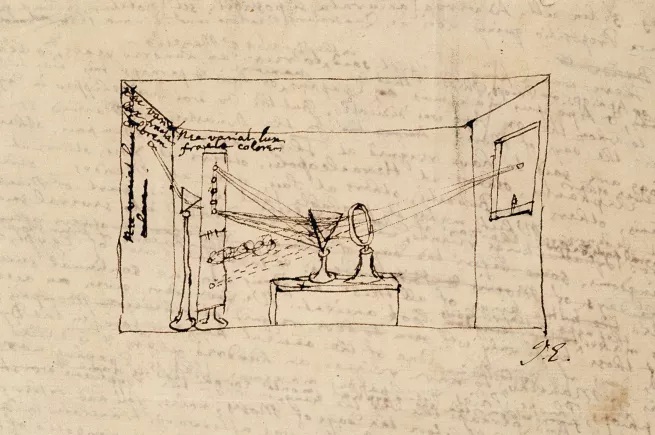
Colour Theory (Newton experiment)
Current
13 February 2026 — 15 April 2026
13 Feb 2026 — 15 Apr 2026
Colour Theory
“The purest and most thoughtful minds are those which love colour the most.”
— John Ruskin, The Stones of Venice, 1851 – 1853
“Color is the name given to forces that allow us to confront the uneasy task of marking difference.”
— Amy Sillman, ‘On Color’, Painting beyond Itself: the Medium in the Post-medium Condition, 2016
I know nothing about colour. Like the majority of people I suspect, the technical scientific composition and conveyance of what we term ‘colour’ remains a foggy distant memory from our childhood lessons in physics. Also, being notably dim in all areas of technology and science, indeed in my basic understanding of ‘reality’ itself, I probably know less about the nature of colour than most; it is all something to do with ‘refraction’ and prisms and bouncing light, the thing I recall being impressive is that it doesn’t actually exist, the entire world is grey or maybe white or something and these refracting or refractive beams just make us think, or see, things as specific colours when they are not really there, is that roughly right ?
It is all something to do with rainbows and those hexagonal glass things you can angle to break up light into different bits of colour, yes ? I know there are ‘primary’ colours, but don’t know what they are, or why they’re called that, and you can mix two colours together and make another, the only one I can think of is that yellow and blue makes green I think ?
I am also well aware that there is a VAST literature, scientific, aesthetic, philosophic, theoretical and art-historical on every possible aspect of colour, from Aristotle’s On Colours to Newton and Goethe and Itten and Albers, thousands of books and articles and peer-review papers and symposia. I always liked that title On Being Blue: A Philosophical Inquiry by William Gass and always enjoy meeting David Batchelor whose entire practice is devoted to the subject of colour and who has been involved in some of the countless exhibitions devoted to exploring this very subject.
No, I don’t know anything about colour but I do know what I like, that hoary formulation which seems to me the best thing you can say about almost every aspect of art. And surely everyone loves colour and that is why it is the perfect subject for an exhibition, for it is clearly fabulous stuff however it is generated and whatever it may ‘mean.’ Of course it would be easier to do an exhibition about lack of colour because it is such a smaller subject, as in practice almost every art show is about colour; hence the appeal to the cognoscenti to retrospectives of Robert Ryman or Ad Reinhardt, or the snob factor of those sad people who appear in magazines boasting of having an all black wardrobe of identical clothes, not to mention those designers like Andrée Puttman who only used black and white. But for most of us colour is a fundamental delight, a sensory reward so basic that it hardly needs emphasis or elaboration.
Happily this current exhibition at Belmacz is rather more sophisticated than the usual explosively Matissean ‘hail to spring’ chintz riot that most commercial galleries like to host at this time of year. For whilst Adam Barker-Mill is overtly interested in issues of colour, his central emphasis has always been on ‘light’ itself, a rather different pictorial diktat; likewise for Florian Genzken the conceptual parameters of his practice are far wider than any simplistic chromatic imperative, whilst Simon Popper’s oeuvre is predicated upon a ‘pleasure principle’ of which colour is merely a constitutive component. Rather, what they are all concerned with is an element of surprise, ‘surprised by joy’ to paraphrase CS Lewis, which encourages even the most casual passerby to reassess their place, all basic assumptions of normalcy, and to think again, if only for a milli-beat of doubt.
Here the role of the artist is to make us re-engage with reality with either a heightened appreciation, a renewed aesthetic engagement, with the physical evidence of existence that surrounds us or to amuse, entertain and elucidate by making us literally ‘see things anew.’ All three of these artists take the humblest materials, packing crates, tissue paper, wood, an ordinary t-shirt, a human smile, a standard light bulb, and then conjour their personal magic, build their own discrete domain from these basic props. Using a battery of tricks, feints and games, naughtily unafraid of the fruity or frisky, our talented trio embody Eileen Agar’s mantra to “try to bring colour and light and a sense of the mysterious to daily existence.”
Within this ludic arena the emphasis is upon sly and simple gestures, a wink and a nod, a simple twist of fate or crêpe, such touchingly humdrum and everyday choices which bring grant us a new pleasure in the world and wider sense of its infinite possibilities. This is ‘play’ which becomes purpose, as much a theatrical production as childhood larks, a series of acts that require their own rehearsal, built from scraps of set and script. Above all what is celebrated here is an almost mischievous wit; that the obligations of contemporary art have moved beyond the ponderous thunder of high modernism, such caricatural solemnity bordering on pomposity, and that instead it is the light-ness ( in every sense) and levity of our very modern living which can be tweaked to a higher pitch of meaning or laughter.
And in summation of the manner, polite, generous, giving, (‘mannered’ even) with which these three very different artists here interact, bounce and jostle and shine off one another, one might finally feel tempted to quote Rauschenberg’s words when asked about his relationship with Jasper Johns, “We gave each other permission.”
Colour Bind by Adrian Dannatt
Artists:
Adam Barker-Mill
Florian Genzken
Simon Popper
-
![]()
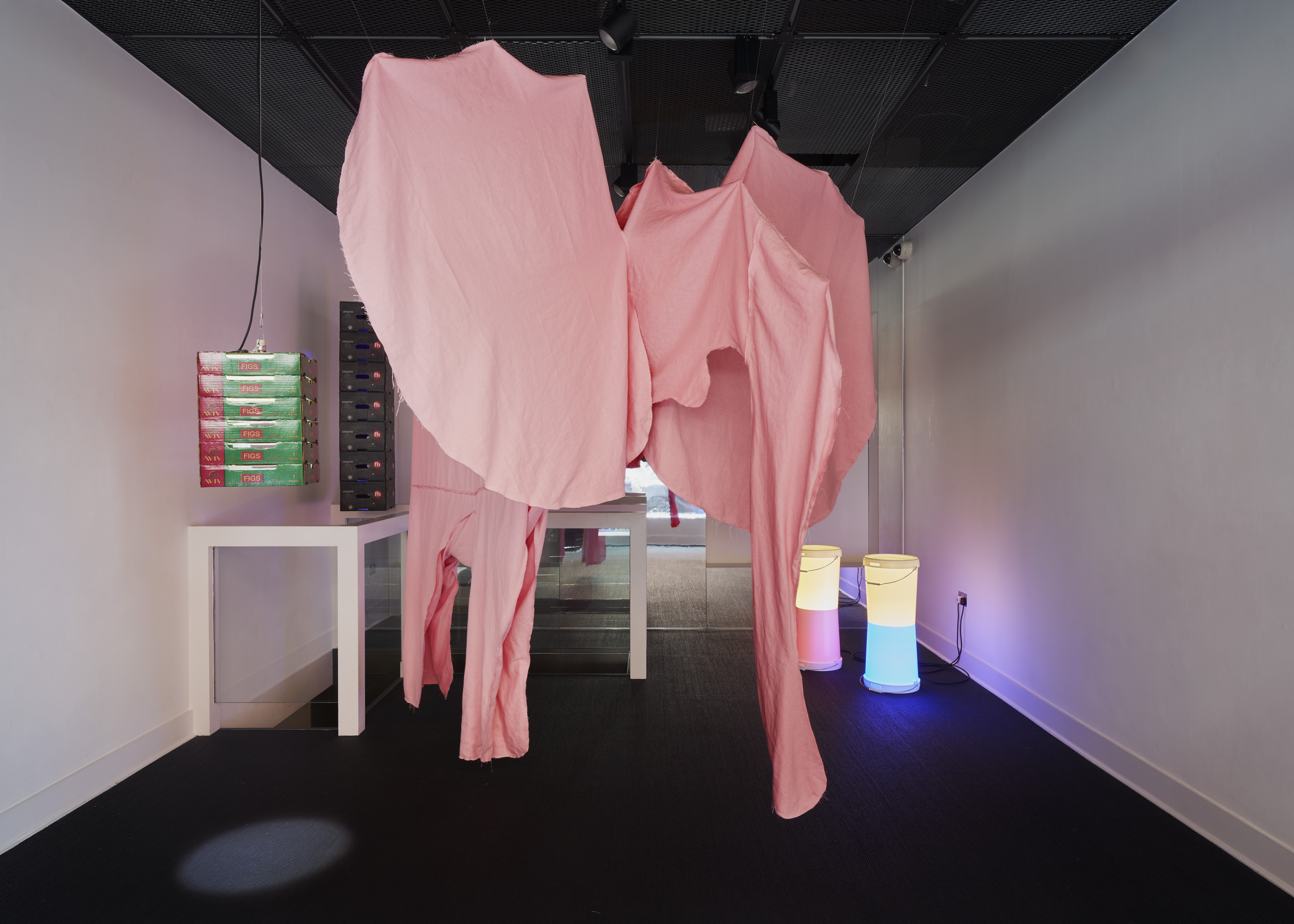
Installation View
-
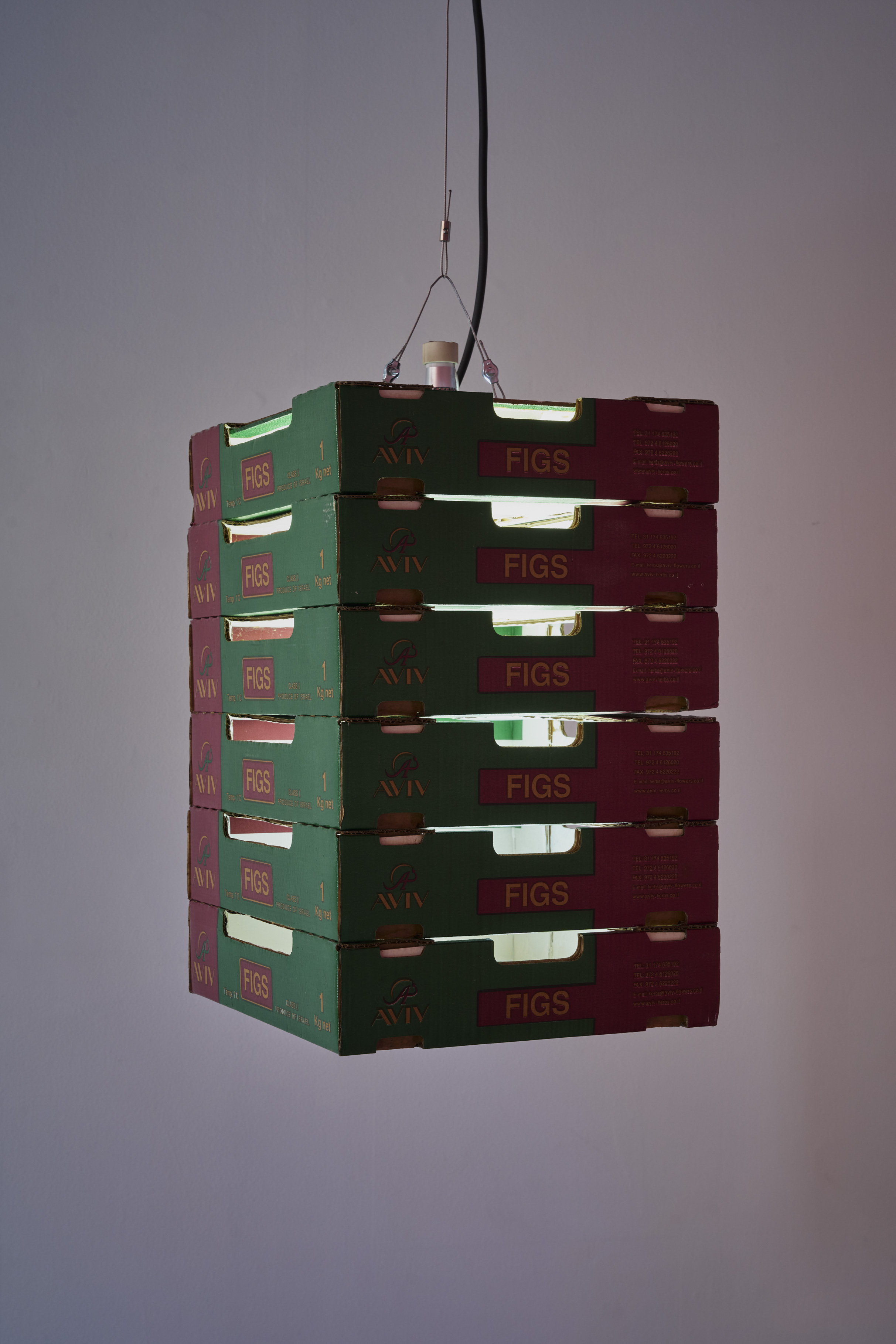
![Figs Lantern]()
Adam Barker-Mill
Figs Lantern, 2011
6 cardboard fig boxes, white LED, cable, matt varnish
46 x 33 x 30 cm -
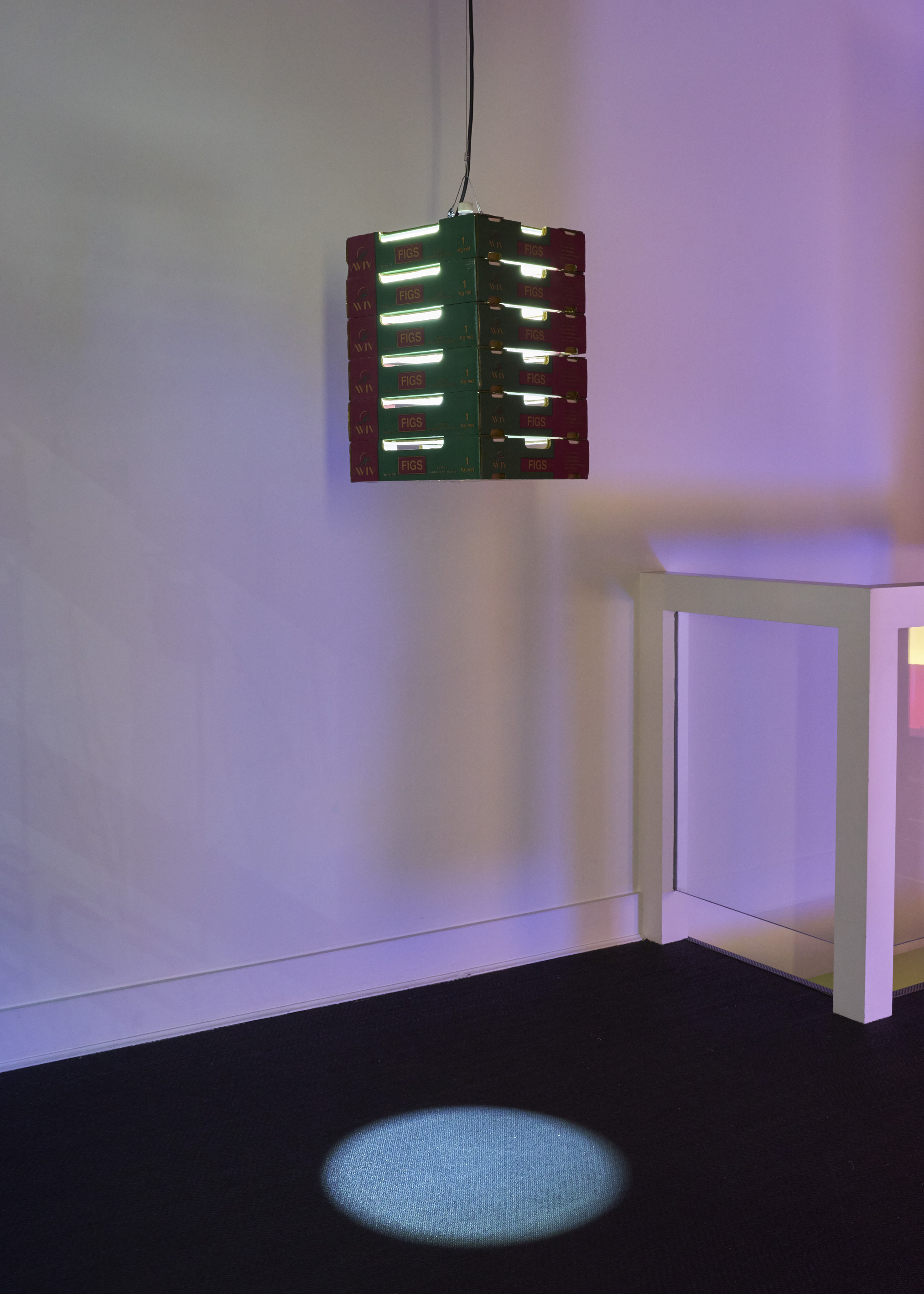
![Figs Lantern]()
Adam Barker-Mill
Figs Lantern, 2011
6 cardboard fig boxes, white LED, cable, matt varnish
46 x 33 x 30 cm -
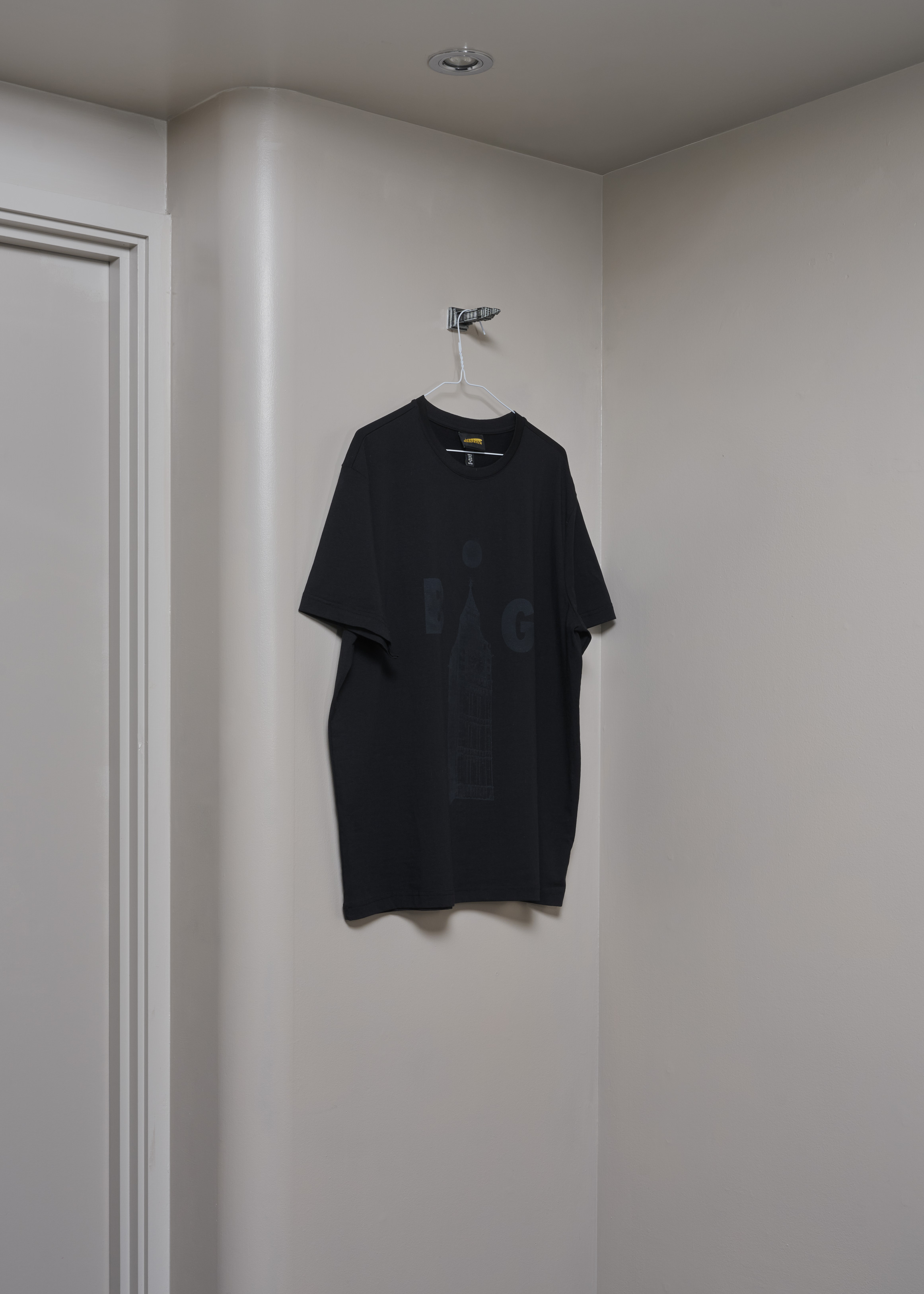
![Big Ben]()
Florian Genzken
Big Ben, 2026
sperm on t-shirt from series Sweatshop, metal Big Ben figurine
sz. XL -
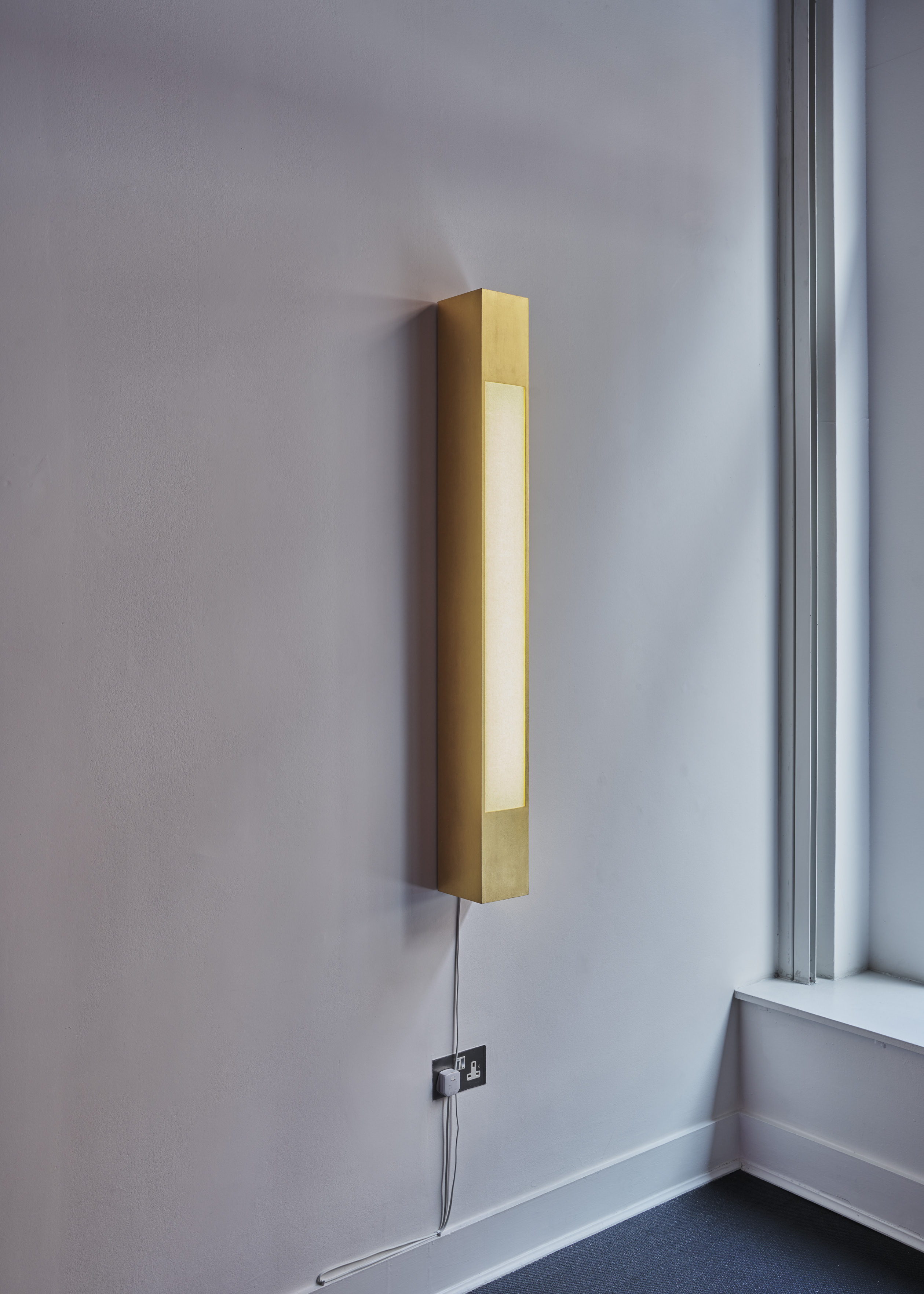
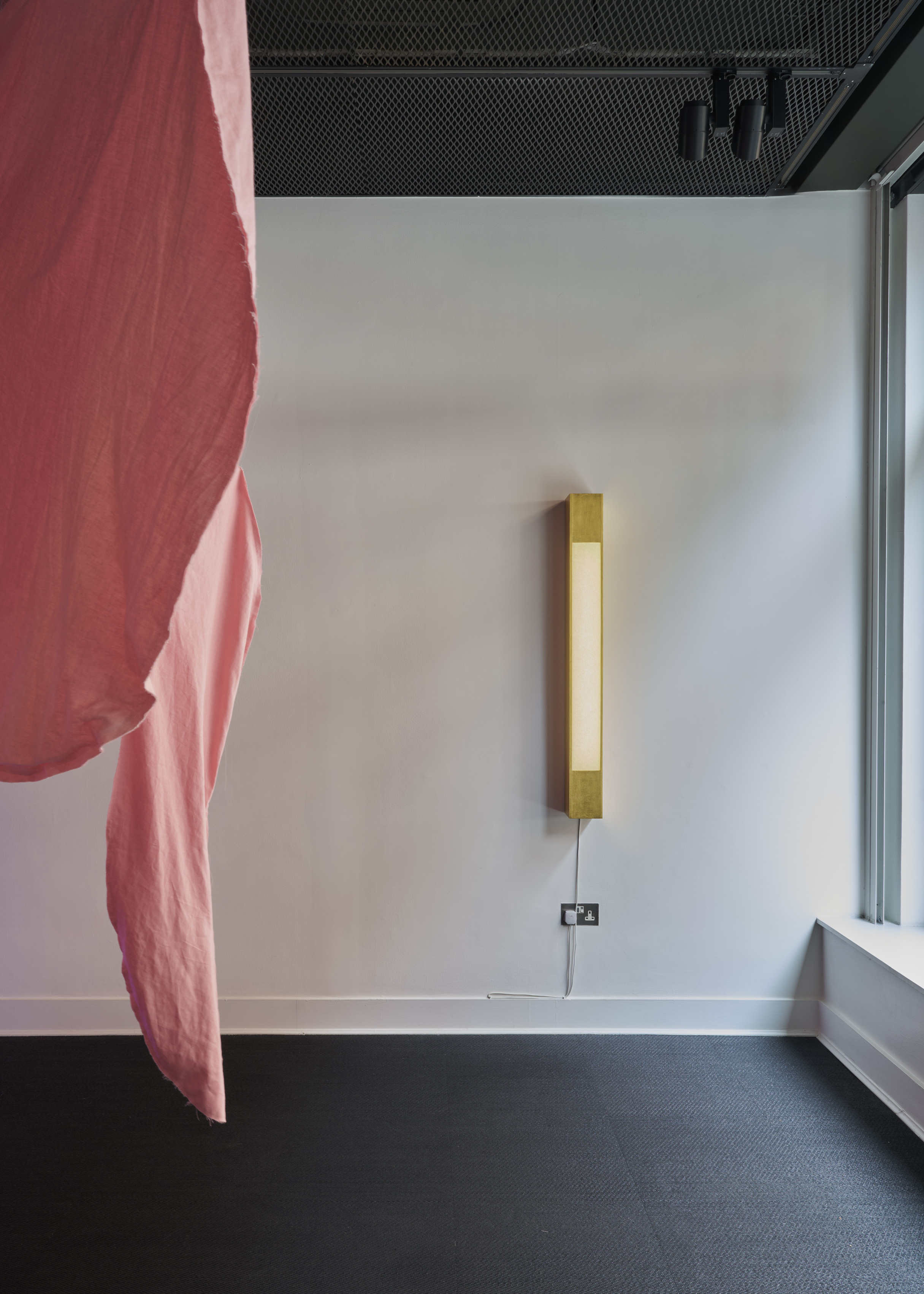
![Tissue Display (Gold)]()
Adam Barker-Mill
Tissue Display (Gold), 2016
MDF, gold leaf, opal Perspex, fluorescent tube lamp, toilet paper
90 x 13 x 20 cm -
![]()
Installation View
-
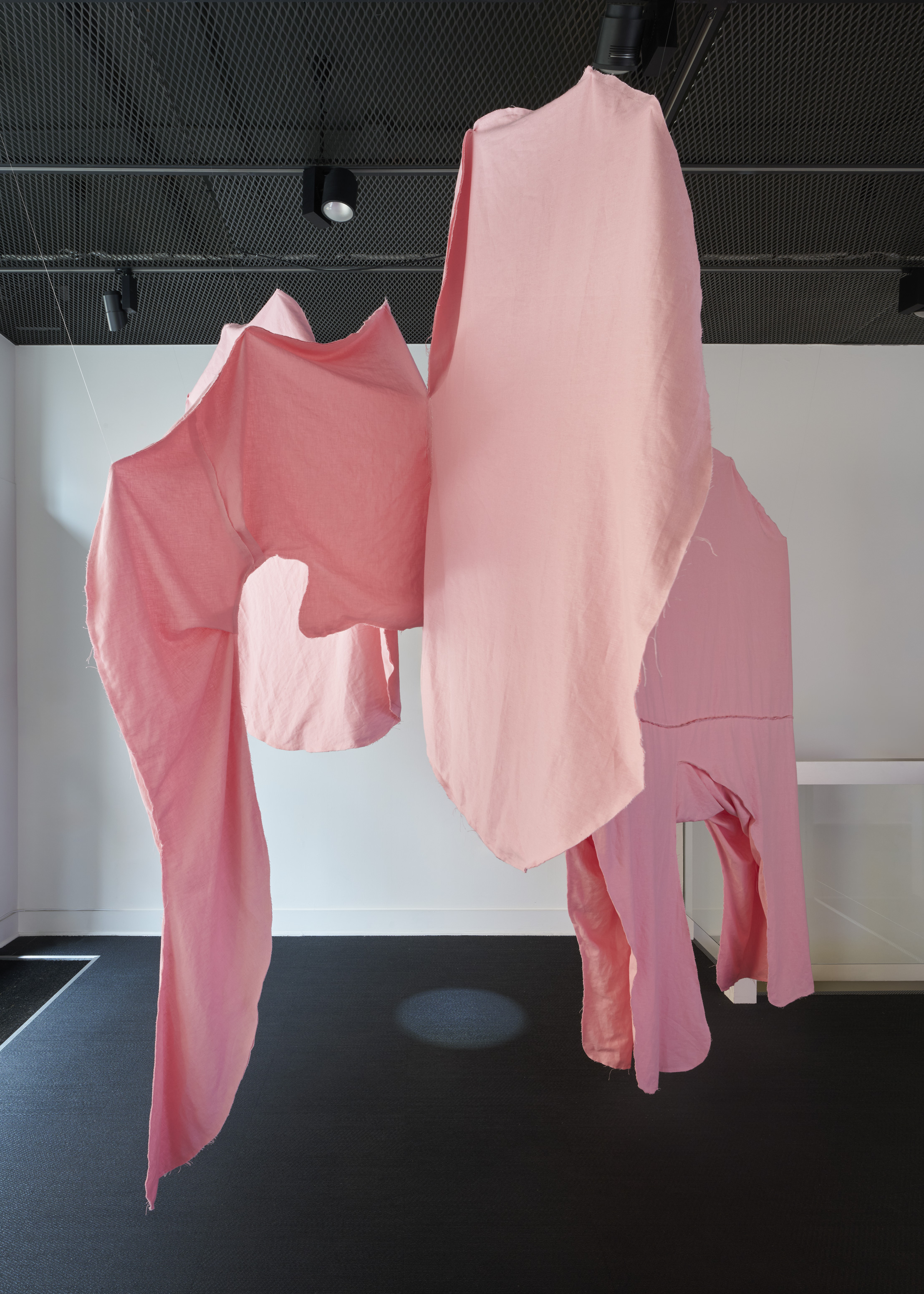
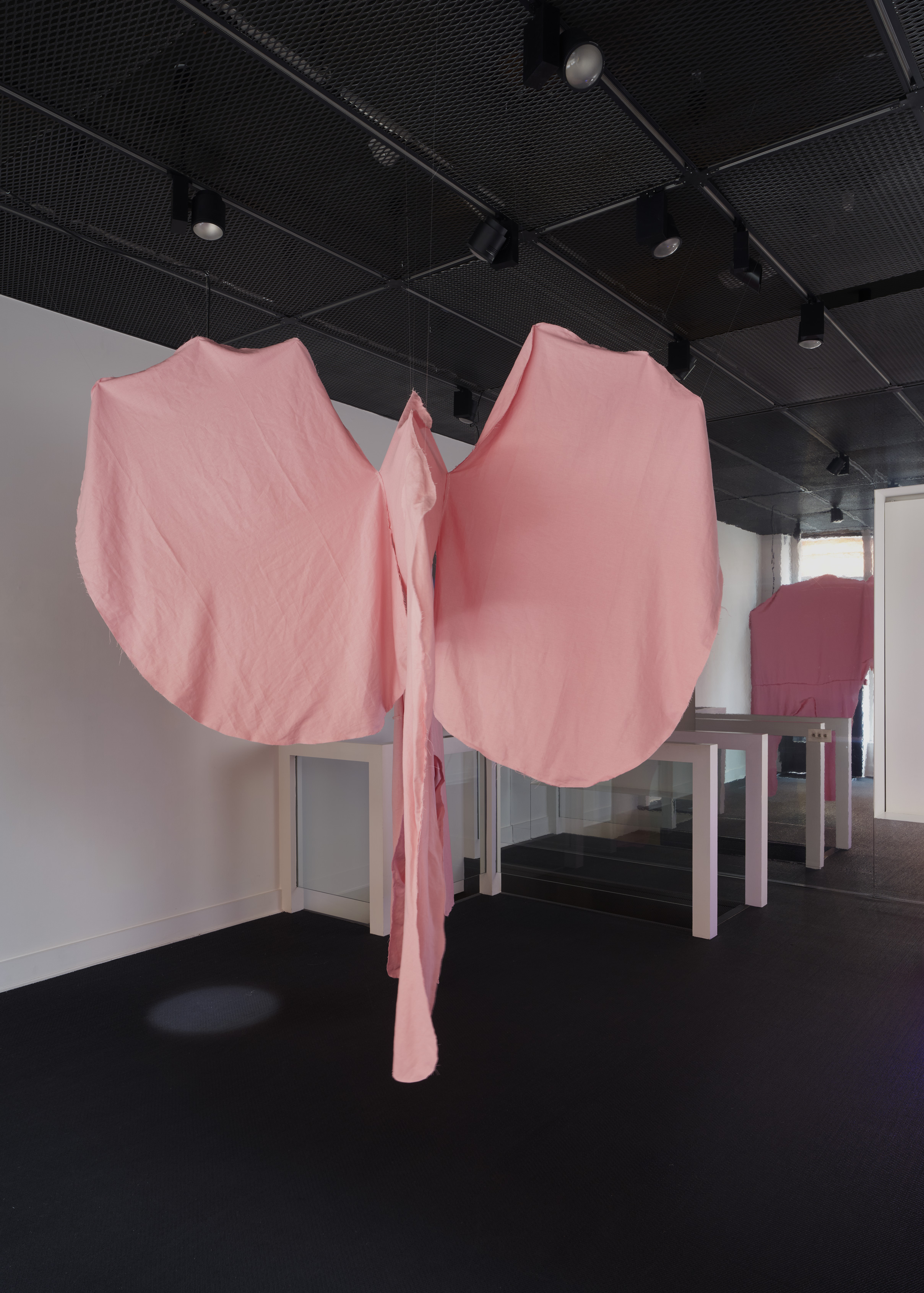
![Pink Elephant]()
Simon Popper
Pink Elephant, 2026
cotton gauze
approx. 245 x 200 x 265 cm (variable) -
![Pink Elephant]()
Simon Popper
Pink Elephant, 2026
cotton gauze
approx. 245 x 200 x 265 cm (variable) -
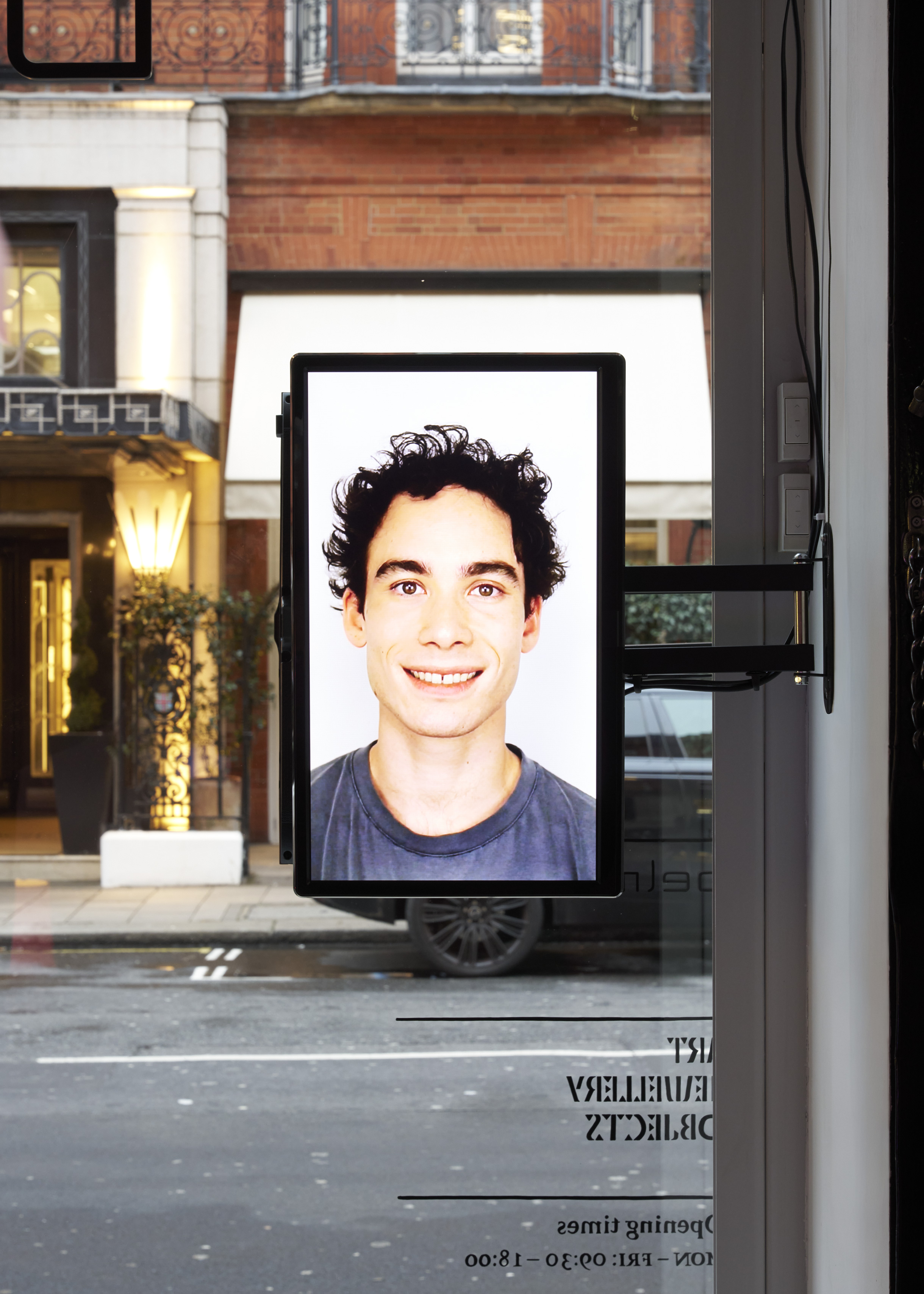
![Hold That Pose (Jackson)]()
Florian Genzken
Hold That Pose (Jackson), 2025
digital video
19:06 min -
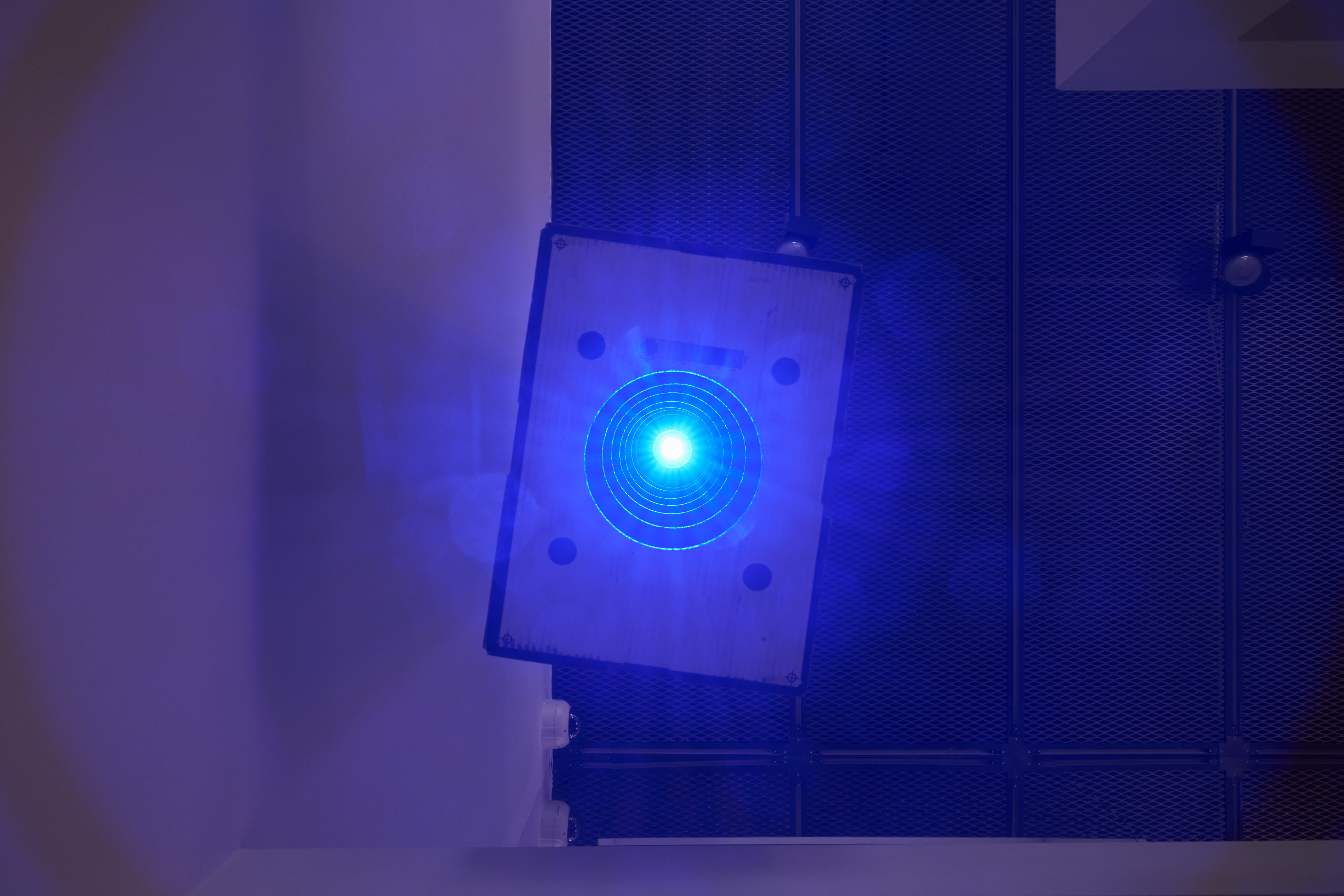
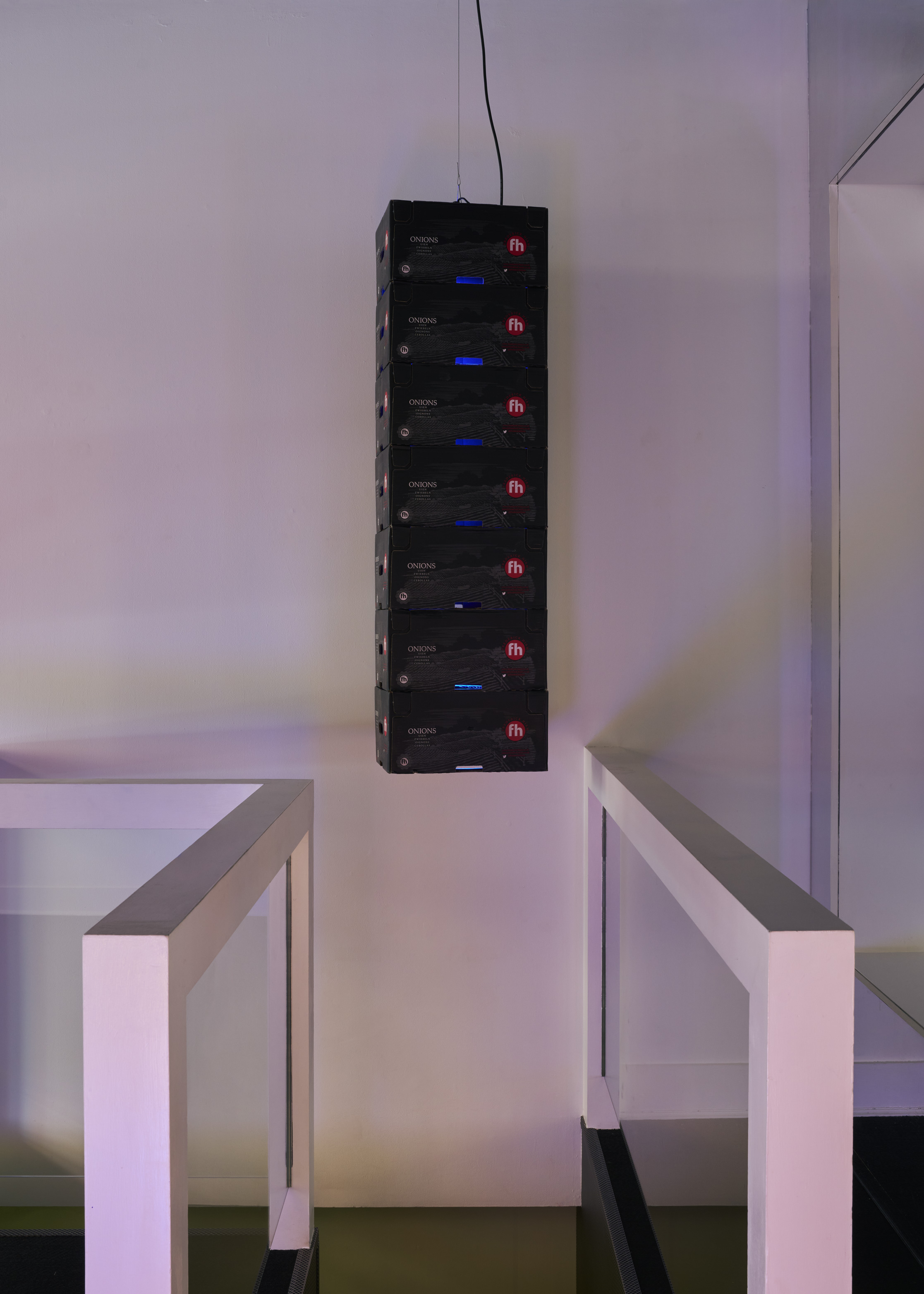
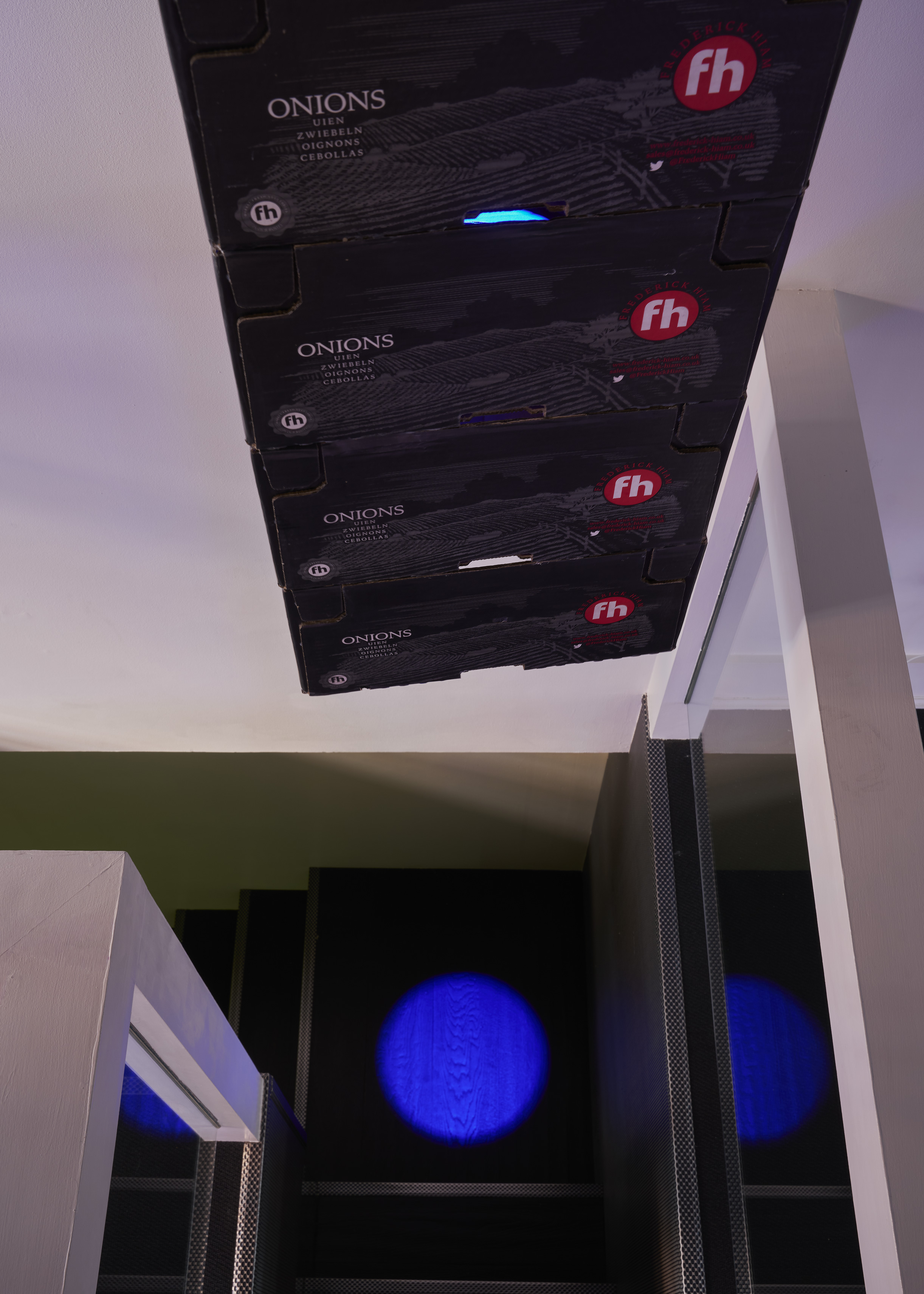
![Onions Lantern]()
Adam Barker-Mill
Onions Lantern, 2019
7 cardboard onion boxes, blue LED, cable, matt varnish
140 x 40 x 30 cm -
![Onions Lantern]()
Adam Barker-Mill
Onions Lantern, 2019
7 cardboard onion boxes, blue LED, cable, matt varnish
140 x 40 x 30 cm -
![Onions Lantern]()
Adam Barker-Mill
Onions Lantern, 2019
7 cardboard onion boxes, blue LED, cable, matt varnish
140 x 40 x 30 cm -
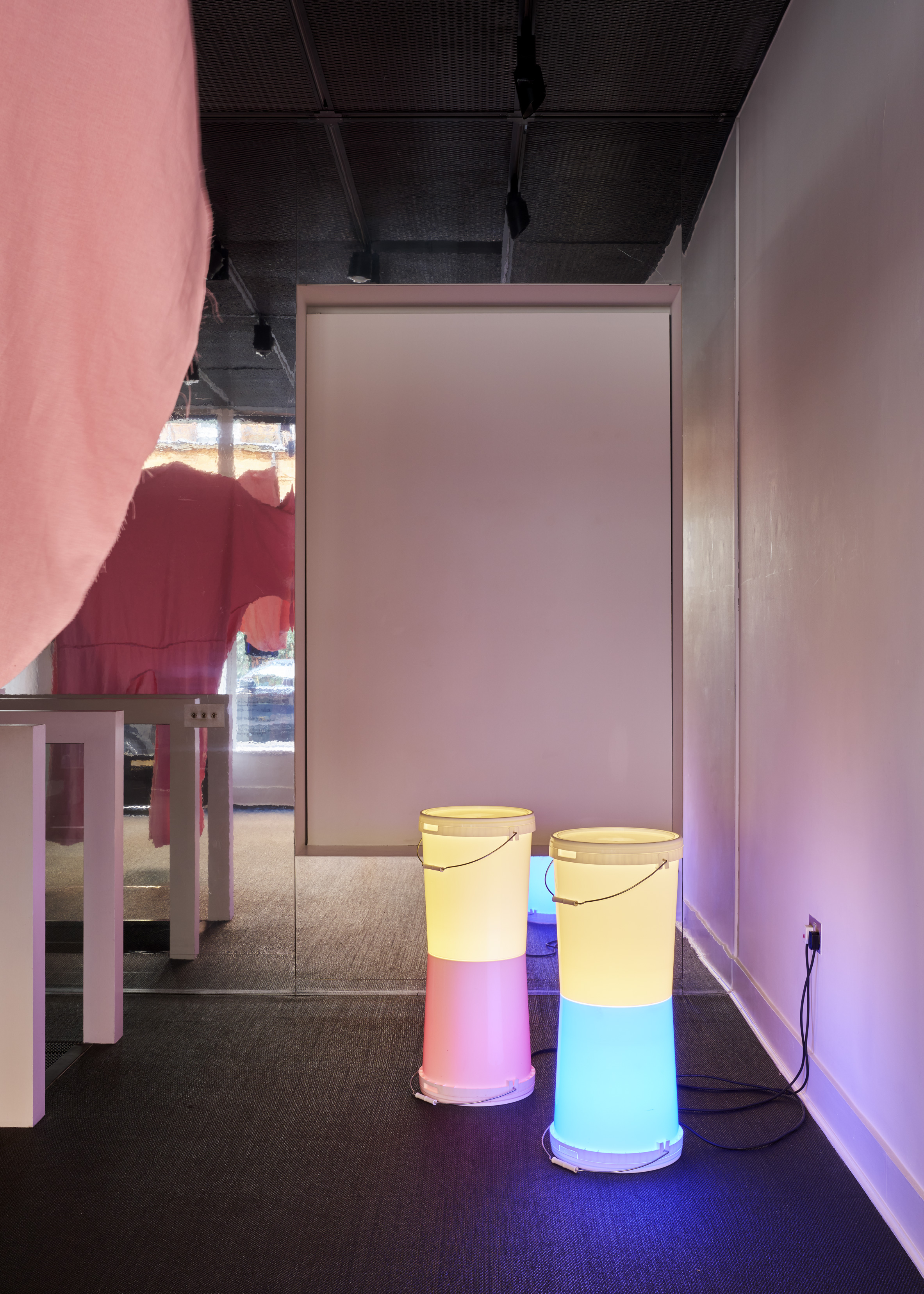
![Red/White and Blue/White]()
Adam Barker-Mill
Red/White and Blue/White, 2019
white polypropylene buckets, bolted, red, blue and white LED
80 x 33 cm each -
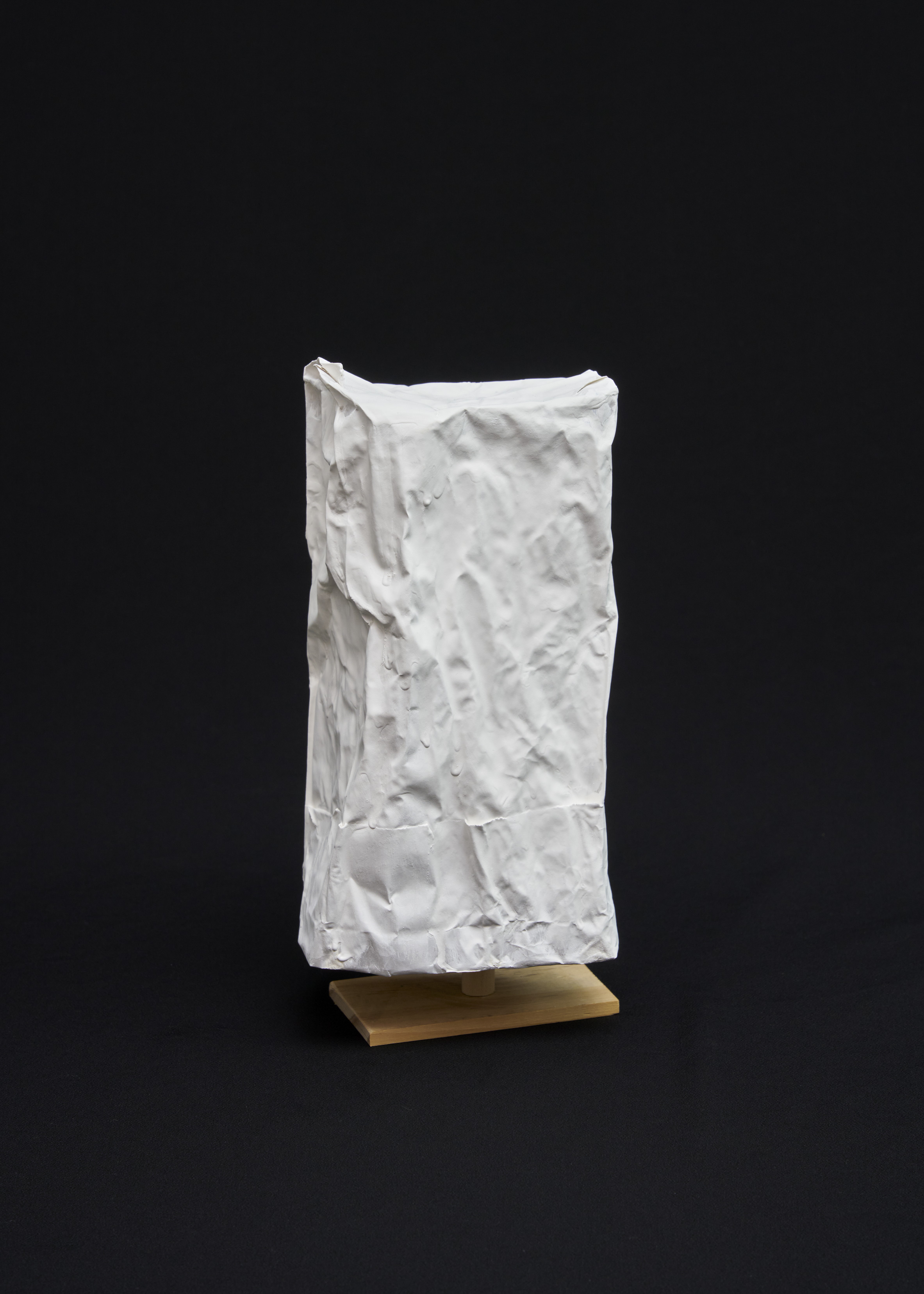
![Ghost]()
Simon Popper
Ghost, 2025
paper, paint, wood
26 x 11 x 8 cm
Enquiry
Please fill out the form below and we will get back to you. Or you can contact us directly gallery@belmacz.com
Item